
Many businesses fall into the trap of prioritizing price when customizing plastic bags. They blindly pick the lowest-quote supplier while overlooking core factors like compliance, quality, and service. In reality, selecting a custom plastic bag supplier doesn’t require overcomplicating details. Focus on three core dimensions—industry compliance, printing and bulk order quality, and customization & supply chain stability—and you’ll avoid most pitfalls and quickly find a reliable partner that fits your needs.
1. Prioritize "Industry Compliance" Suppliers: The Essential Foundation
First, verify the supplier’s core qualifications and steer clear of unqualified workshops. A legitimate plastic packaging manufacturer must have complete credentials to guard the first line of product safety.
Raw materials directly determine a plastic bag’s safety—especially for food packaging. Using recycled materials can introduce heavy metals and harmful substances, which contaminate products and put consumers’ health at risk. When choosing a supplier, clearly require the use of new, food-grade, eco-friendly materials like PE and PP, and reject recycled materials outright.
2. Focus on "Printing Quality + Bulk Order Control": Details Reflect Strength, Reputation Relies on Quality
Custom plastic bags promote brands through printed logos, product information, and designs—so printing quality directly impacts brand image. Bulk order quality stability determines long-term cooperation feasibility; after all, no one wants "great samples but faulty bulk orders," which waste costs and delay product launches.
✅ Top-Tier Printing Standards
- Color & Clarity: Vibrant colors, sharp patterns, and no obvious deviations from the design draft. Text must be crisp, free of blurriness, double images, or missing prints.
- Eco-Friendly Ink: Printing ink must be non-toxic and odor-free. This is critical for food packaging, where strong fumes can contaminate products and harm the consumer experience.
- Wear Resistance: Printed patterns should withstand transportation, handling, and repeated use without fading or smudging.
✅ Reliable Bulk Order Production
Creating great samples is easy; the mark of a reliable supplier is consistently producing bulk orders that match sample quality. Many small workshop suppliers make exquisite samples but cut corners during bulk production, leading to excessive defects.
During inspection, ask about their quality control process:
- Do they have a dedicated quality inspection team?
- Do they conduct random checks on each bulk order? What items are inspected (e.g., bag thickness, load-bearing capacity, sealing, printing accuracy)?
- Specify the bulk order defect rate in your contract (usually no more than 3%) and the supplier’s responsibilities (rework, replenishment, compensation) if the rate is exceeded.
For large orders, arrange on-site random checks during production to catch issues early and ensure bulk quality meets expectations.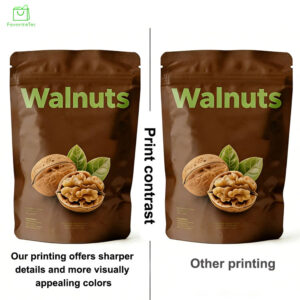
3. Focus on "Customization + Supply Chain Stability": Meet Needs, Save Time and Effort
Customization needs for plastic bags vary widely by industry and product:
- Food Delivery: Leak-proof, heat-insulating, and oil-proof bags.
- Food Retail: Sealed, moisture-proof, and fresh-keeping bags.
- Beauty Industry: Transparent, high-end, and premium-quality bags.
- Electronics Accessories: Shock-proof, anti-static bags.
✅ Flexible Customization Capabilities
- Product Adaptability: Can they customize bags of different sizes, thicknesses, and styles (e.g., stand-up pouches, 3-side seal bags, 8-side seal bags, aluminum foil bags, kraft paper bags) based on your product’s purpose?
- Small-Batch Support: Do they support small-batch orders? This is crucial for startups and trial products, allowing you to control costs and avoid inventory backlogs.
- Design Flexibility: Can they adjust details per your design draft (e.g., adding logos, QR codes, anti-counterfeiting marks, product descriptions) and even offer professional design advice to enhance brand texture?
✅ Stable Supply Chain & After-Sales Support
- Production Timelines: How long for regular orders? Can they handle rush orders?
- Supply Capacity: Can they keep up with future order increases to avoid "order surges and delayed deliveries"?
- After-Sales Service: If bulk orders have quality issues, can they resolve them promptly (rework, replenishment, compensation)? Do they have an emergency plan for delivery delays to avoid disrupting your product launch?
- Logistics Coverage: Can they cover your delivery areas? Are logistics costs and timelines reasonable?
Conclusion: Choosing the Right Supplier Saves Half the Trouble
The core logic for choosing a custom plastic bag supplier is simple: compliance as the baseline, quality as the core, and service as the guarantee.
Don’t blindly chase low prices—they often come with non-compliance, poor quality, and no after-sales support. Don’t blindly trust big brands either; the best supplier fits your industry, meets your personalized needs, and has a stable supply chain.
Compare 2-3 suppliers: verify their qualifications, check samples, and assess capacity and after-sales support before deciding based on your budget and needs. A reliable supplier doesn’t just solve your packaging problems—it becomes a partner that drives your brand forward, saving you time, effort, and stress.